
Is the Era of Digital Brand Building Is Over? The Truth Businesses Must Understand in 2026
Is the Era of Digital Brand Building Is Over?
The digital marketing landscape has changed dramatically over the last few years. Search engine algorithms have become smarter, advertising costs have increased, and organic reach on social platforms has declined. Because of these shifts, many business owners are now questioning: is the era of digital brand building is over?
The reality is that digital brand building is not over. What has changed is the strategy required to succeed. Today, branding demands authority, credibility, and consistent value rather than shortcuts or aggressive promotion. Businesses that adapt to this shift are growing stronger than ever.
Why Many Businesses Think Digital Branding Is Declining
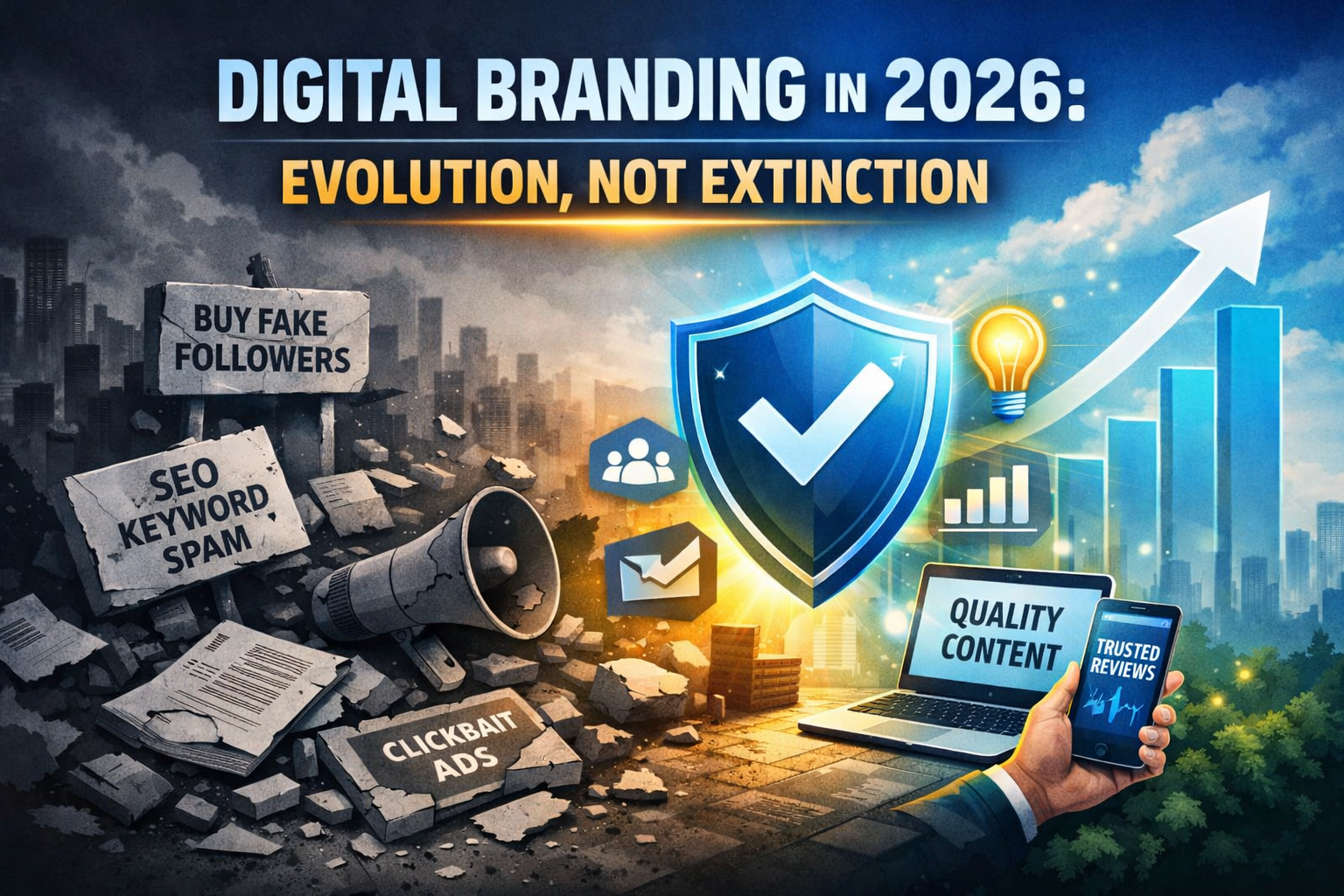
Many brands built early success on simple SEO tactics, frequent posting, or low-cost ads. As competition increased and algorithms evolved, those same tactics stopped producing similar results. This sudden drop in easy visibility makes it seem like branding has lost its power.
However, what we are witnessing is not decline — it is market maturity. When competition rises, only quality survives. The perception that is the era of digital brand building is over comes mainly from businesses that relied on outdated practices instead of building long-term authority.
The Shift Toward Authority and Trust
Search engines now prioritize Experience, Expertise, Authoritativeness, and Trustworthiness (E-E-A-T). This means brands must prove their knowledge through real insights, data-backed content, testimonials, and transparent communication. Thin content or generic blogs no longer rank easily.
This shift actually strengthens serious brands. Companies that invest in research, case studies, and in-depth content are rewarded with better rankings and stronger audience trust. Digital branding today is less about noise and more about credibility.
Consumer Behavior Has Strengthened Digital Branding
Modern consumers are more informed than ever. Before making a purchase, they read reviews, compare websites, analyze social proof, and evaluate brand positioning. A weak digital presence immediately reduces trust.
This behavior proves that digital branding remains critical. If anything, its importance has increased. Customers prefer brands they recognize and trust across multiple platforms. The idea that is the era of digital brand building is over ignores the fact that online research now drives most buying decisions.
Why Quick Wins No Longer Work
There was a time when keyword stuffing, low-quality backlinks, and mass content production could deliver fast rankings. Those days are gone. Search engines now penalize manipulative tactics and reward helpful, user-focused content.
Sustainable growth requires strategic SEO, technical optimization, and meaningful engagement. Businesses that shift from shortcuts to structured authority-building see more stable and long-lasting results.
The Real Reason Branding Feels Harder
Digital branding feels harder today because audiences are overloaded with content. Attention spans are shorter, and competition is global. Standing out requires deeper expertise, clearer messaging, and consistent positioning.
Instead of asking is the era of digital brand building is over, businesses should focus on improving differentiation. Brands that communicate unique value and demonstrate expertise continue to build loyal communities and strong organic visibility.
How E-E-A-T Drives Long-Term Rankings
Google’s algorithm updates increasingly evaluate content quality and brand credibility. Websites that show real experience, detailed explanations, and industry knowledge tend to rank higher over time. Authority websites also attract natural backlinks, which further improve rankings.
By building topical authority through content clusters and strategic internal linking, businesses create a strong SEO foundation. This makes branding not just a marketing activity but a long-term digital asset.
The Financial Advantage of Digital Brand Building
Unlike paid ads that stop generating traffic once budgets are paused, digital branding compounds over time. A well-written blog can generate leads for years. Strong search visibility reduces dependency on paid acquisition channels.
This long-term return on investment is one of the strongest arguments against the idea that is the era of digital brand building is over. Sustainable brand equity consistently outperforms short-term promotional campaigns.
The Future of Digital Brand Growth in 2026
The next phase of branding will focus on personalization, community building, and thought leadership. Businesses will integrate AI tools for smarter targeting while maintaining authentic communication. Video content, interactive experiences, and educational resources will dominate attention.
Brands that balance technology with trust will lead their industries. Authority, transparency, and consistency will define successful digital strategies moving forward.
Action Plan to Stay Ahead
To remain competitive in 2026, businesses must focus on structured content strategies. Creating topic clusters around core services improves search relevance and strengthens authority signals. Internal linking between related articles enhances crawlability and ranking potential.
Technical SEO improvements such as faster loading speeds, mobile optimization, and structured data implementation further support brand visibility. Combining these technical improvements with expertise-driven content creates a powerful growth engine.
Final Verdict
So, is the era of digital brand building is over?
No — it has evolved.
What has disappeared are the shortcuts and easy wins. What has emerged is a more refined, authority-driven approach that rewards real expertise and consistent effort. Businesses that embrace this transformation will not only survive but build stronger, more trusted brands in the digital economy.